
Change of Tenancy (CoT)
Arranging Change of Tenancy for your Energy and Water Supplies
Moving into, or out of premises, is known as a Change of Tenancy in the business energy industry.
Energy suppliers are obliged to continue to provide energy to business premises, however, it is the obligation of the new tenant to agree on a new contract with the current supplier or to find a new supplier.
We recommend that you never accept offers from the incumbent until you have had a chance to compare prices from other suppliers.
Be aware, it is an obligation on a business moving into or out of premises to keep the current supplier fully informed of their contract situation.
When you’re moving into, or out of, business premises, energy and water supplies are generally at the bottom of the to-do list. There is a myriad of things to think about and you’re bound to be busy with other urgent issues.
Outgoing tenants have a duty to inform the energy supplier that they are leaving the premises and provide a meter reading so that a final bill can be prepared, and the account closed. Whilst this is standard practice, it doesn’t always happen, and you should be diligent to inform the supplier, both when you leave, and when you enter premises, in case any energy consumption is unfairly attributed to you.
Energy and water supplies are easy to overlook but ignoring them can be costly. By following the Guide to Changes of Tenancy below, you will save time and probably money.
Moving into New Premises
1. Check What you need and When you need it - Meters and Connections
Before you move in, you should verify that the premises have both electricity and gas meters installed. You should also make sure that power and gas are available and haven’t been disconnected.

Existing premises
The first thing to do is to evaluate what you are going to need in the way utilities.
If your business requires high volumes of electricity gas or water, you need to check that all these services are available and that the supplies are capable of delivering them in the volume required, otherwise you may be landed with a large bill to upgrade the services.
Conversely, you could also find that all the services are installed but are sized for much higher levels of consumption than you require. You may think this unimportant, but you could find this very costly, as you will pay extra for large meters and services in standing charges.
Disconnections
If the previous tenant had got into debt or the premises have been empty for an extended period, it is possible that the site has been disconnected. It is vital to know this before moving in, otherwise, you find yourself literally in the dark.
Disconnections can be time-consuming and costly so you should attend to them right away. In certain circumstances, you may be asked to pay to be reconnected and to pay a security deposit, even though the disconnection had nothing to do with you.
New Build Premises
If you’re moving into a brand new building, you may find that the utilities haven’t been connected.
Service connections are generally chargeable, so you should find out what you’re dealing with before you move in, both in terms of cost and your timeline expectations.
You will need to know what level of demand your organisation requires for each utility so you can ensure all your processes will run as expected. Contact us if you need help with this, the EAG can help you assess your maximum demand levels.
You will want to ensure these matters are in hand in advance so that you can concentrate on your move and get set up. Consequently, consider these issues before you move in.
The EAG can help your organisation get connected and also get you the best business energy tariffs for you at the outset.
2. Get Ahead of the move - Find the right business energy contract
If you need to have new connections installed, you will need to arrange energy contracts prior to services being installed, but even if you don’t need new connections, you should still arrange supply contracts in advance as a matter of course.
You will be required to prove you are the tenant and that you are running a legitimate business. You can do this by providing a signed tenancy agreement, along with your company number or website address.
Other Forms of Proof:
- Confirmation from the landlord
- Confirmation from the estate agent handling the move
- Confirmation from the solicitor handling the move
- A copy of the mortgage completion letter (if the property was bought)
If you have already moved into premises without a contract in place, you will find you will be paying Deemed Rates. You should try and avoid this as the charges are much higher than standard rates. However, you should be sure to act quickly as you will eventually find yourself paying Out-of-Contract rates.
Take steps to avoid this and act quickly as Out-of-Contract rates are often double market rates.
In short, any time you either move in, or move out of business premises, you should notify the incumbent supplier immediately.
For energy advice or help in moving into, or out of business premises, contact the EAG. We can do all the hard work for you. We can submit the necessary CoT letters and meter readings to your outgoing and incoming suppliers on your behalf.
3. Be prepared - Ignore cold calls
It is remarkable just what human beings can dream up to dupe you into signing unwanted energy contracts at predatory rates. These amount to nothing more than scams. Don’t fall for them!
Data disclosing business movements and new business premises are widely sold in the UK and high pressure, boiler room operation, energy brokers will bombard you with calls and dire warnings of immediate disconnection, or financial penalties for not allowing them to place you into a business energy contract.

Some will say they are supplier meter readers, others will say they represent ‘The Meter Registration Agency’ (it doesn’t exist), and others will say you have to change energy suppliers immediately to prevent disconnection. Some even say they represent the current supplier. These are all lies.
Be prepared, you could be called as many as 10 times in a day!!
Tip: Do not engage with them.
To stop them bothering you, to tell them everything is in place and all your supply contracts have been placed. The best thing is if that is actually the case.
4. Attend to Detail: Take Meter Readings – Make Notes
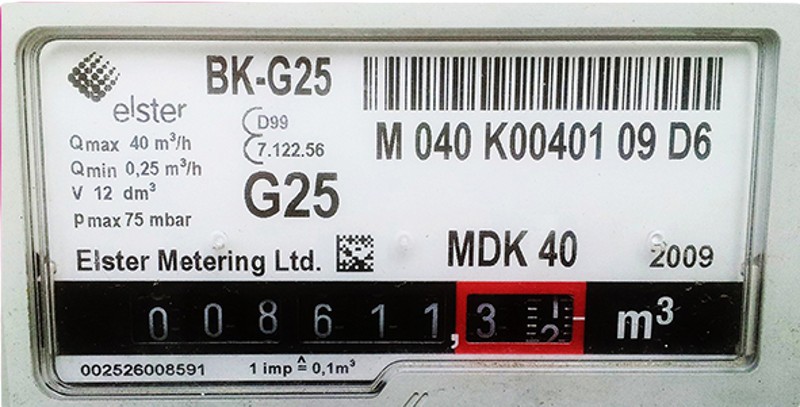
If you are moving out of old premises and into new ones, make sure you take meter readings at both your old and new premises and provide them to your old and new energy suppliers to make sure you get accurate final billing. You don’t want to pay for the previous tenant’s energy usage!
Whilst you’re about it, you should give your old supplier your new address, so they can send you the final bill.
Moving Out of Premises
Not sure which Gas Supplier to use?
If you are leaving business premises you need to contact your current suppliers and inform them as quickly as possible that you’re leaving and will no longer be the tenant of your current property.
This is important for two reasons:
- It prevents your business from being held liable for charges incurred by the new tenant
- It will give you time to agree on a competitive deal with a new supplier
Your supplier will ask you to complete a change of tenancy letter. They will ask for a variety of information such as:
- The reason you’re moving out
- Where your business is moving to (if applicable)
- Who the new occupier of your current premises will be (if known)
Make sure that you take a meter reading on the last day of occupancy in your current premises and an initial meter reading in your new location. These ‘closing’ and ‘opening’ meter reads will ensure you only pay for the amount of energy you use.
When you are moving out of business premises, we recommend you start the Change of Tenancy process at least 30 days prior to moving as you remain responsible for the energy consumed in the property (and all costs) until you complete the change of tenancy process. The COT process can take up to 30 days to complete.

Asset Transfer
The Energy Action Group (EAG) has in-depth experience in managing the transfer of utility services for organisations taking over property portfolios or single buildings under Asset Transfer schemes and knows how disruptive the process can be if not handled carefully.
The EAG can help ensure you experience an orderly Change of Tenancy (COT) process. This should take place in the weeks running up to the transfer date, but we can also help untangle things retrospectively if matters are unresolved.
Contact our Change of Tenancy Team for help.
What are Deemed Rates?
Deemed rates are higher than standard contract rates but are much lower than Out-of-Contract rates.
There are 2 circumstances in which you could find yourself paying Deemed Rates. The first is when you move into new business premises and haven’t been able to organise a supply contract. The second is when your current contract lapses without you terminating it, nor do you renew it. If you are not careful, you could find yourself on Deemed Rates for an extended period if you don’t take action.
How to avoid Deemed Rates
The best way to avoid paying deemed rates is by planning ahead. Make the effort to arrange your energy and water contracts before you move into your new premises.
Using the EAG services ensures you can obtain supply contracts well in advance of your planned move date. If time runs out, we can reduce your exposure to punitive rates and possibly reach an agreement with your incumbent supplier on your behalf to cancel penalty rates.
What are Out of Contract Rates?
The first thing to say is that you really want to avoid Out-of-contract rates if at all possible.
These are the rates that you will pay if you are consuming energy but have not signed a contract with your energy supplier.
This might happen under 2 separate scenarios:
- Firstly, if you inform your supplier you are terminating your current contract, but then do not sign a new contract with them, to another supplier you will be out-of-contract (OOC)and will be placed on OOC rate
- Secondly, there are occasions when you are moving from one supplier to another and through no fault of your own, the process takes longer than expected. This could result in your current contract ending before the new one is in place.
Out-of-contract rates are expensive! They can be as much as double standard market rates. For example, a standing charge of £1.25 per day, and a unit rate of 21p/kWh, compared to a typical market rate of 30p a day, and 14p/kWh.
How to avoid Out-of-Contract Rates
You should closely monitor all your energy and water contract end-dates the make sure you don’t forget to submit termination in the required period. But you shouldn’t ignore the subsequent step of signing a follow-on contract. Make sure you arrange a new contract well in advance.
It may happen that you decide to refuse the renewal offer from your current supplier and then forget to secure you a contract from another supplier to begin immediately after your existing one ends.
If that happens, and you get caught paying deemed, or out-of-contract rates, let us know, as we have sometimes negotiated with suppliers to backdate contract rates for clients who decide to accept their current supplier’s offer. This should cover the period you were on the higher rates.
Suppliers sometimes consider doing this as an act of goodwill, although this is very much dependent on the circumstances of how the issue occurred in the first place, and they are likely to take into consideration your payment history and credit rating.